


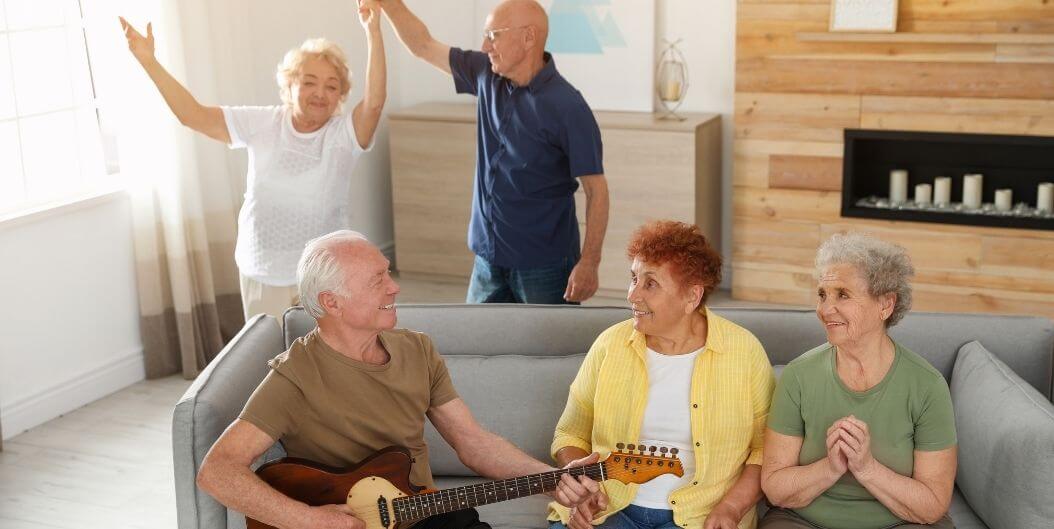
Importance of Spending More Time in Communal Areas to Enjoy Your Senior Living Community
As people transition into retirement, daily life often becomes more flexible and less structured. While having personal space is important, one of the most meaningful aspects of senior living is the opportunity to connect with others. Communal areas in senior living communities are designed specifically to encourage interaction, comfort, and engagement, helping residents enjoy a more fulfilling lifestyle.
Spending more time in shared spaces can significantly enhance emotional well-being, reduce feelings of isolation, and create a stronger sense of belonging. In independent living cottages and assisted living apartments, shared spaces play a key role in supporting a vibrant and connected community experience.
Why Communal Areas Matter in Senior Living
Communal areas are more than just shared spaces. They are intentionally designed environments where residents can relax, socialize, and participate in daily life together. These areas often include lounges, activity rooms, dining spaces, and outdoor gathering spots.
When residents choose to spend time in these spaces, they open the door to natural interaction. Simple moments such as sharing a conversation, joining an activity, or enjoying a meal with others can have a lasting impact on emotional well-being.
These environments also help create routine and structure, which can be especially beneficial in an assisted living setting where familiarity and predictability provide comfort.
Building Social Connections Through Shared Spaces
One of the most important benefits of communal areas is the opportunity to build relationships. Social connection is a key part of healthy aging, and shared spaces make it easier to form those connections naturally.
You can begin by engaging in small interactions, such as greeting neighbors or sitting together during activities. Over time, these moments will grow into meaningful friendships.
In cottage living environments, communal spaces often serve as casual gathering points where neighbors can connect without formal planning. Moreover, in assisted living, structured activities in shared areas help encourage participation and engagement in a supportive setting.
The Emotional Benefits of Spending Time Around Others
Spending time in communal areas can have a powerful effect on your emotional health. Loneliness and isolation are common concerns among older adults, especially when daily routines become more quiet or solitary.
So being around others, even without direct interaction, can help improve your mood and create a sense of connection. Seeing familiar faces, participating in group settings, or simply sitting in a shared space can provide the comfort and reassurance you are looking for.
Assisted care residents, in particular, may benefit from gentle social exposure in calm, structured communal environments. These spaces help reduce stress and provide a sense of familiarity through routine interaction.
Encouraging Daily Engagement in Assisted Living
In an assisted care setting, communal areas are often central to daily life. They are where residents gather for activities, meals, and social interaction, helping create a balanced and engaging routine.
Moreover, staff members will be there to encourage you to participate in group activities held in these shared spaces. These may include games, light exercise, crafts, or music-based programs designed to stimulate engagement and enjoyment.
How Communal Spaces Support Physical and Mental Well-Being
The benefits of communal areas extend beyond social connection. They also support both physical and mental health in meaningful ways.
Group activities held in shared spaces often encourage light movement, which supports mobility and overall wellness. Even simple activities such as walking to a lounge area or participating in seated group exercises can contribute to daily physical activity.
Mentally, communal environments provide stimulation through conversation, activities, and observation. This helps keep your mind engaged and encourages ongoing social interaction, which is especially valuable in a senior living community.
The combination of physical presence, social engagement, and mental stimulation creates a well-rounded approach to wellness.
Overcoming Hesitation About Social Spaces
It is natural for some residents to prefer staying in their private homes or cottages, especially when adjusting to a new living environment. However, easing into communal areas gradually can make a big difference in your overall satisfaction.
Consider starting with short visits or attending one activity at a time, which can help you build comfort. Over time, many senior living residents find that these spaces become familiar and welcoming.
Staff members often play an important role in encouraging participation in a gentle and respectful way, ensuring that residents never feel pressured but are always invited to join.
Ready to Lead a Lifestyle Built Around Connection and Comfort? Discover Your Retirement Living Plans at Briarview Senior Living
Spending time in communal areas is not just about staying busy, it is about creating a richer, more connected lifestyle. These spaces offer opportunities for friendship, engagement, and emotional support that enhance everyday living.
At Briarview Senior Living, whether you want to embrace an active lifestyle in an independent living cottage or need a little support with your daily activities in assisted living, you are encouraged to enjoy both private comfort and shared community life. Communal areas are thoughtfully designed to support connection, engagement, and overall well-being.
If you would like to learn more about the lifestyle and opportunities available at Briarview Senior Living, you can schedule a tour and explore the community further.


